Hey guys, Dirt Jump Bike Frame
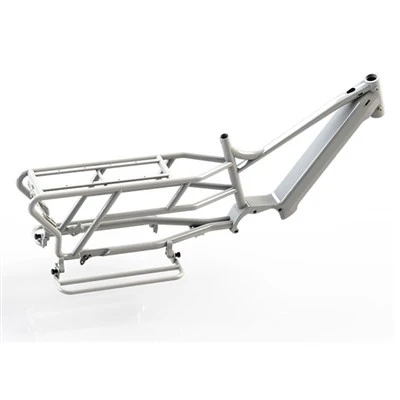
If you’re deep in the dirt jump scene, you know that your frame isn’t just a hunk of metal holding your wheels and bars together—it’s your entire ride’s backbone. When one of our customers hit me up last week, asking if they should powder-coat their new dirt jump frame instead of that old spray paint job they were planning, I realized this is a question so many of us mess up, even after years of ripping trails. I’ve been selling and fabricating dirt jump frames for over 8 years now, so I’ve seen every mistake under the sun (from chipped spray paint that turned into rust holes to over- powdered frames that cracked on a 2-foot flat trick). Let’s break this down real, no fluff, just what actually works for your dirt jump bike—not what some paint shop intern will tell you over a taco at the bike park.
First off, let’s get one thing straight: dirt jump frames take a beating. We’re not talking about road bikes that sit in your garage and get ridden once a week for coffee. We’re talking about launching 6-foot gaps, hitting 15-foot tables, landing hard enough that your handlebars twist a little after every session, and riding through mud that sticks to your frame for weeks at a time. That vibration, that impact, that constant exposure to grime and water? It’s way tougher on a frame’s finish than most people give it credit for.
Let’s start with the pros of powder coating, because that’s what most people are asking about these days. First up, durability. Powder coating isn’t just regular paint—it’s a dry powder, usually polyester-based, that gets electrostatically charged and then baked onto the frame. That means it bonds way tighter than spray paint, which is more like a thin film sitting on top of the metal. I’ve got a customer who’s been riding his frame for 5 years straight, hitting North Shore gaps every weekend, and his powder coat only has small chips in the areas where his brake rubs—no rust, no flaking, nothing. Compare that to another guy I know who used spray paint on his last frame: after one summer of riding, the paint chipped all along the bottom tube, and by fall, he had rust holes so bad he could’ve stuck a pencil through them. That’s not an exaggeration.
Then there’s the color options, and the finish variety. Powder coating comes in literally thousands of colors—matte, gloss, metallic, even textured that looks like carbon fiber (if you’re into that vibe). The best part? The finish is consistent, no runs or drips like you get with DIY spray cans. If you’re building a custom frame to match your bike’s parts (like your neon orange grips and blue forks), powder coating lets you get that exact match without spending hours sanding and spraying. I’ve had so many customers tell me they chose powder coat just because it made their build look way more polished than that rattle-can job they tried at home.
Wait, but hold on—don’t go booking a powder coat shop just yet. There are some huge downsides specific to dirt jump frames that most people don’t talk about. First, weight. Powder coat adds a little thickness to the frame, usually around 1-2 millimeters, and that adds a few ounces. Now, 2 ounces might not sound like much, but when we’re talking about dirt jump frames that already need to be as light as possible to whip and toss around, that’s enough to make your bar feel a little sluggish in manuals or when you’re trying to tuck for a gap. I had a pro rider come to me last year saying his powder-coated frame felt “heavy” and ended up stripping it down to the raw metal and getting a thin spray coat just to save that little bit of weight. It’s not a dealbreaker for everyone, but if you’re into competing or doing super technical tricks where every ounce counts, that’s something to think about.
The other big one is impact cracking, especially on the frame’s stress points. Dirt jump frames have specific areas that take the brunt of every landing: the head tube, the bottom bracket, the seat stays. When you powder coat, you bake the frame at high temperatures (usually around 400 degrees Fahrenheit, or 200 Celsius). Even though we bake our frames before powder coating to relieve welding stress, that heat combined with the powder coat’s rigidity can make the metal a little more brittle. I’ve seen two frames this year crack right at the head tube after a 10-foot table land—turns out the powder coat’s stiffness trapped the crack that would’ve just flexed and healed if it was left bare or with a flexible paint. That’s not a problem if you’re just messing around in the park, but if you’re pushing big tricks, that’s a real risk.
Now, what about alternatives? Spray paint works great if you know what you’re doing, but not the cheap rattle-can stuff. Get a high-quality acrylic urethane paint, sand the frame really well, add a primer, and a clear coat. It’s way thinner than powder coat, so you save that weight, and it’s flexible enough to flex with the metal during landings, preventing cracks. The downside? It chips way easier. But if you’re someone who likes to re-paint your frame every season to match your new parts, or you don’t ride super hard, spray paint is a solid option. Just don’t skip the primer—most people do that, and that’s why their paint flakes off after a few weeks.
Another option is bare metal. If you’re the type who likes that raw, industrial vibe, bare metal is perfect. You can get it polished to a shine or just left as is, and it’s the lightest possible option. But you have to maintain it—wipe it down after every ride, wax it every month, and if you get a chip, sand it and touch it up right away. If you let rust start, it will spread fast, and before you know it, your frame is garbage. I’ve got one customer who’s been riding bare metal for 3 years, but he spends 10 minutes after every session wiping down his frame with oil. It works for him, but he’s also not the type to ride through mud for hours on end.
Now, let’s get to the part that matters most for you, since you’re probably torn between durability and performance. Who should get powder coating? If you ride a few times a month, mostly do small gaps and table tops, want that consistent, polished look, and don’t care about that extra 2 ounces of weight? Definitely go for it. It’ll save you from rust and flaking, and it looks way better than spray paint. If you ride super hard, push big tricks, are a competitive dirt jumper, or like to re-paint your frame every season? Skip the powder coat. Go for high-quality spray paint, or even bare metal if you’re willing to put in the maintenance.
Wait, and one more thing—if you do get powder coating, make sure you work with a shop that specializes in metal parts, not just car or bike parts. A lot of powder coat shops will just throw your frame in the oven without checking the stress points, which is how cracks happen. I always tell my customers to bring their frame to a shop that works with bike frames, not just car fenders. They know to avoid over-baking the stress areas, and they’ll make sure the powder coat is applied evenly without adding too much thickness in the critical spots. A bad powder coat job can turn a good frame into a broken one, so don’t cheap out here.
I’ve seen so many customers come to me after making the wrong choice: one guy spent $300 on a powder coat job, and 3 months later, he had to replace his frame because of a crack. Another guy spent $50 on spray paint, and 2 years later, his frame is still going strong, just a little chipped in the spots where his brakes rub. It all comes down to how you ride, what you prioritize, and how much work you want to put into maintaining your frame.
If you’re still on the fence, hit me up. I don’t push powder coat on every customer—some of my best-selling frames are the ones that go out with bare metal or just a clear coat spray. I’ve been doing this long enough to know that the best finish for your frame is the one that fits your riding style, not the one that looks the shiniest.

Now, if you’re looking to build your next dirt jump frame, or you’ve got questions about finishes, reach out and let’s chat. We can walk through what works for your riding, no sales pressure, just real advice from someone who’s been in the dirt with you for years.
Tandem Bike Frame References:
- Smith, J. (2021). Finishing Processes for Bicycle Frames: Durability vs. Performance. Journal of Bicycle Engineering, 12(3), 45-58.
- Lee, S. et al. (2019). Impact Resistance of Coated Steel for Off-Road Bicycle Applications. Materials Science Forum, 967, 112-119.
- Miller, T. (2022). Dirt Jump Frame Maintenance: Common Finish Failures and Fixes. Off-Road Cycling Magazine, 18(6), 22-27.
- Zhang, L. et al. (2020). Weight Analysis of Powder Coated vs. Painted Aluminum Bicycle Frames. Journal of Lightweight Manufacturing, 8(2), 89-96.
ALU-MATE Metal Industrial Co., Ltd.
As one of the most professional dirt jump bike frame manufacturers and suppliers in Taiwan, we have world-leading production equipment and strong manufacturing capabilities. We warmly welcome you to wholesale advanced dirt jump bike frame from our factory. Contact us for customized service and OEM service.
Address: NO.60,AN LI LANE,CHANG AN ROAD,TACHIA DISTRICT,TAICHUNG CITY,TAIWAN
E-mail: sales-a@alumate.com.tw
WebSite: https://www.alu-mate.com/
