Let’s be real—when was the last time you stared at a classroom chair and thought, “Wow, this is shaping a kid’s body for the better”? Probably never, right? Most of us (teachers, parents, even the school admins picking these things) just grab whatever’s cheap or matches the classroom color scheme. But here’s the tea: classroom chairs do way more than hold a kid’s backpack or their butt during math class. They’re low-key supporting their physical development every single day, and as a chair supplier that’s worked with hundreds of schools, I’ve seen firsthand how the wrong chair can lead to little aches that stick around long after the bell rings. Classroom Chair
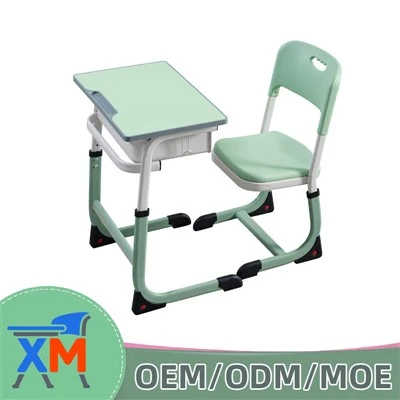
First, let’s break down the obvious stuff: posture. I know, I know—posture sounds like a dusty term your grandma lectures you about, but it’s non-negotiable for growing bodies. Kids’ spines are like wobbly saplings right now; one wrong lean, slump, or slouch over a tiny desk for 6 hours a day, and that sapling can grow crooked. Wait, but what does that have to do with the chair specifically? Let’s talk about basic biomechanics. A good classroom chair has adjustable seat height and depth—no exceptions. If a chair is too tall, a kid’s feet dangle. That might feel like a tiny flex, but dangling forces their legs to tense up because they’re not resting on a flat, stable surface. Over time, that tightens up their hamstrings and lower back, leading to that familiar “my back hurts by science class” complaint that we all used to joke about but never really took seriously.
I remember a 4th grade teacher in Texas hit me up last year saying half her kids were missing recess because of back tightness. We swapped their old fixed-height chairs for adjustable ones, and within a month, she reported the number went down to like two or three. The difference? When a kid’s feet are flat on the floor, their knees are at a 90-degree angle (rule number one for good chair fit), and their lower back touches the backrest. That backrest isn’t just for comfort—it’s there to support the natural curve of their lumbar spine, which is the area that takes the brunt of sitting for long stretches. Slumping removes that support, making your spine work overtime to hold itself up instead of letting the chair do the heavy lifting. Over months and years, that can lead to chronic lower back pain by middle school, which is already a thing way too many kids deal with.
But wait, it’s not just static sitting—kids aren’t statues! They wiggle, shift, lean forward to read, tilt back a little to chat with their neighbor (don’t lie, we all did that). A lot of cheap classroom chairs are super rigid, so if a kid tilts back too far, they either tip or strain their neck trying to keep their head upright. Flexible, supportive chairs (yeah, the kind we supply) let kids adjust their position without overcompensating. That movement is actually good, by the way—sitting still for 20 minutes is hard enough for an adult, let alone an 8-year-old with a body that’s still wired to run around outside. Chairs that let subtle movement (like a slight rocking or give in the seat) let kids burn that extra energy while they’re still focused on their work. Studies even say that kind of “active sitting” boosts concentration, which is a win-win for grades and physical health.
Let’s talk about the stuff no one really talks about: muscle and bone development. Kids’ bodies are growing nonstop, so every part of their body needs to move and support itself the right way. If a chair is too small, they’re scrunched up—their shoulders hunch forward, their neck cranes down to look at their notebook, and their ribs are compressed. That compression can affect how their lungs expand, which means they’re not getting enough oxygen during the day. Tired lungs = tired kids, which makes it harder to stay focused in class and even play sports after school. On the flip side, a chair that’s too big means they’re reaching for the desk, so their arms are stretched out awkwardly, putting strain on their shoulders and wrists. That might lead to that “my hand hurts when I write” complaint we hear all the time—nothing like a little repetitive strain from a bad fit to make handwriting feel like a chore.
I worked with a school district in Ohio last semester that was dealing with a lot of wrist pain in 5th graders. Turns out their old chairs had seats that were way too deep, so kids were sliding forward to reach their desks, cramping their hands over their pencils. Swapping for chairs with adjustable seat depth fixed it—they could move the seat closer or farther back so their elbows were at a 90-degree angle when their arms were on the desk. Within two months, the nurse there said wrist-related office visits for students dropped by 70%. That’s not a small number, and it’s all because we got the chair fit right.
Another big one: circulation. Yeah, sitting too long is bad for adult blood flow, but for kids, it’s even more impactful because their bodies are still developing. If a chair is ill-fitting, it cuts off blood flow to their legs and back, leading to numbness or tingling. But more than that, consistent poor circulation over time can affect how nutrients get to growing bones and muscles. Kids need those nutrients to build strong bones and develop muscle mass, right? If blood flow is restricted, that growth doesn’t happen as well as it should. So a well-fitting chair isn’t just about preventing aches—it’s literally helping their body grow the way it’s supposed to.
Wait, let’s address the elephant in the room: “active seating” is a buzzword, right? But not all active seating is created equal. Some weird ball chairs we tested a while back were terrible—kids would roll around, bump into each other, and end up more distracted than focused. The good active chairs (the ones we focus on) have a balanced give, not so much that you’re bouncing everywhere, but enough that you can wiggle your legs, shift your hips, and move a little without leaving your seat. That controlled movement keeps blood flowing, keeps muscles engaged, and means kids aren’t stuck in one stiff position for hours. It’s the middle ground between a static hard chair and a chaotic exercise ball, and it’s way better for both focus and physical development.
I also want to call out something that’s often overlooked for neurodivergent kids—think about kids with ADHD, autism, or sensory processing disorder. A lot of these kids need to move to regulate, and the right chair lets them do that in a classroom-friendly way. If their chair lets them rock slightly or shift their weight without drawing attention, they’re less likely to fidget at their desk, stand up mid-lesson, or distract other kids. For these kids, the right chair isn’t just about physical health—it’s about their ability to participate and thrive in class. I’ve had parents reach out saying their kid’s teacher reported way less disruptive behavior after switching to our chairs, and that’s huge. When a kid is regulated, they’re not straining their body to sit still, which is a win for their physical development too.
Now, let’s get real about common mistakes schools make. A lot of admins buy chairs based on how much they cost, not how they fit kids. Or they buy one size for all grades, which is insane—an 8-year-old in 3rd grade is way smaller than a 12-year-old in 7th grade. Fixed-height chairs might work for adults, but kids grow 2-3 inches a year, so a chair that’s perfect in September is too short by January. That means you’re replacing chairs every year, which is more expensive in the long run anyway. Adjustable chairs are a one-time investment that works for multiple grades and multiple kids, so it’s not just better for the kids—it’s better for your budget over time.
I’m not here to say that chairs are the be-all, end-all of physical development, obviously. Kids still need recess, PE class, and time to run around outside—that non-negotiable. But chairs are the foundation of their school day, which is where they spend 6-7 hours a day, 180 days a year for most of their childhood. If that foundation is bad, it throws off all that other movement. Think of it like a phone case: a good case doesn’t make the phone work better, but it protects it so it can work properly. A good chair doesn’t make a kid grow taller or faster, but it protects their growing body so they can stay healthy and focused for everything else.
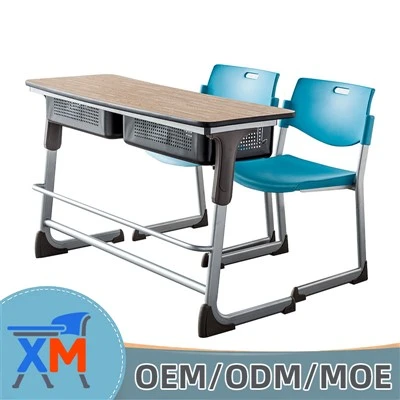
At the end of the day, this isn’t just about selling chairs. I’ve been in this industry for 10+ years, and I’ve seen too many kids deal with avoidable aches and pain because schools cut corners on seating. Every kid deserves a chair that supports their growing body, that lets them sit comfortably during class, that helps them stay focused, and that doesn’t leave them rubbing their back during math. If you’re a teacher, school admin, or anyone responsible for picking classroom furniture, let’s chat. We can help you figure out what kind of chairs fit your classroom, your budget, and the kids you’re working with. No pressure, no sales jargon—just honest talk about what works for growing bodies. Don’t sleep on this; the small stuff like a good chair adds up to big differences for kids down the line.
Bunk Bed References
- American Chiropractic Association. (2022). Posture in Children: Key Factors and Prevention Strategies.
- Journal of School Health. (2021). The Impact of Adjustable Classroom Seating on Student Musculoskeletal Discomfort and Concentration.
- Centers for Disease Control and Prevention. (2020). Physical Activity Guidelines for School-Aged Children and Adolescents.
- Pediatrics. (2019). Active Seating and Neurodivergent Student Outcomes in Inclusive Classroom Settings.
- International Society for the Advancement of Kinanthropometry. (2023). Chair Fit and Musculoskeletal Development in Pediatric Populations.
Shanghai Xinmu Industrial Co., Ltd.
We are one of the most professional classroom chair manufacturers and suppliers in China. With abundant experience, we warmly welcome you to wholesale customized classroom chair at competitive price from our factory. If you have any enquiry about pricelist, please feel free to email us.
Address: 3rd Floor, NO.5# Building, No. 288 Rongxing Road, Songjiang District, Shanghai
E-mail: sales@xinmugroup.com
WebSite: https://www.xinmufurniture.com/
