If you’ve ever lived in a mobile home—whether a tiny trailer, a park model, or a full-time RV—you know that space is non-negotiable, and every system has to work as hard as you do. For years, clients have asked me: “Can I use a whole-house water softener and a direct drinking water system in my mobile home without turning my closet into a plumbing shop or breaking my warranty?” The short answer is yes—but it’s not the same as installing systems in a stick-built home. After 12 years as a specialized supplier of softened water and direct drinking water systems for mobile and manufactured homes, I’ve seen the good, the bad, and the DIY mistakes that leave folks with leaky pipes or water that still tastes like metal. Let’s break down what works, what doesn’t, and how to do it right. Softened Water & Direct Drinking Water System
First, let’s talk about the unique constraints mobile homes face. Unlike stick-built homes, which have dedicated plumbing runs and ample space under sinks, mobile homes are built with shorter water lines (usually ½-inch instead of the ¾-inch common in larger homes) and often have limited cabinet space, especially in kitchens and bathrooms. They also have to meet federal manufactured home construction and safety standards, which means any plumbing or water system modification can impact your warranty if not done correctly. Oh, and many mobile home communities have their own water quality rules—some require softeners to discharge brine into the community’s sewer line instead of a private septic tank, which is a big detail I’ll circle back to.
Let’s start with softened water, since that’s the part most people ask about first. What’s a water softener, anyway? It’s a system that uses ion exchange to swap hard minerals (calcium and magnesium, which cause scale on pipes, dishes, and showerheads) with sodium or potassium ions. For a mobile home, the key here is size and compatibility. A standard 30,000-grain softener (the capacity most common for 1-2 bedroom mobile homes) is actually small enough to fit in most under-sink cabinets or even a utility closet—something I didn’t believe when I first started selling these systems, but I’ve installed hundreds that fit perfectly in spaces less than 2 feet wide. The mistake people make is buying a full-size softener designed for a 3,000-square-foot home, which is twice as big as needed and won’t fit.
But here’s the big question: Can you hook a softener directly into your mobile home’s plumbing? The answer is yes, but only if you address two critical details: line sizing and flow rate. Mobile home water lines are narrower, so a softener that has a flow rate above 8 gallons per minute (GPM) can cause pressure drops, making your shower feel like a drizzle. I design all my softener systems with low-flow valves calibrated specifically for mobile home plumbing, which keep pressure steady at 40-50 PSI (the sweet spot for manufactured homes, per HUD standards) while still softening enough water. We also include a bypass valve, which is non-negotiable for mobile homes—if you need to shut off the softener to add salt or fix a leak, you don’t want to have to drain your entire water heater first.
Now, let’s get to the part that causes the most confusion: combining a softener with a direct drinking water system. A lot of people think you have to choose one or the other, but that’s not true—you just need to separate the lines. Here’s why that matters: When water is run through a softener, it picks up sodium (if you use salt) or higher levels of potassium, and it also strips away beneficial minerals like magnesium and calcium that taste good and are good for you. Direct drinking water systems, on the other hand, are designed to remove contaminants like lead, chlorine, and bacteria, but they don’t handle hard minerals. So if you hook your drinking faucet to the softener line, you’ll end up with water that tastes salty (if you use sodium) and lacks minerals, and if you hook your whole house to a non-softened line, you’ll still get scale on your dishes.
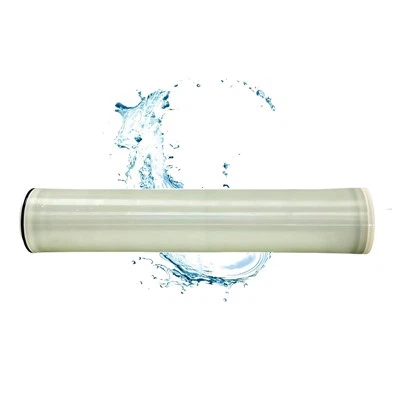
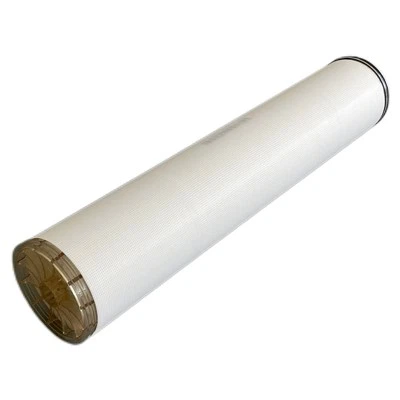
The solution is a dedicated drinking water line that bypasses the softener. This is simpler to install in a mobile home than you might think—most mobile homes already have a cold water line running under the kitchen sink, so we add a T-valve that splits the incoming water: one line goes to the softener for showers, laundry, and sinks, and a separate, unsoftened line runs straight to the drinking water filter. We also use high-quality, flexible PEX tubing for these runs, which is durable enough for mobile home vibrations (from traveling, even if it’s parked) and doesn’t leak as easily as rigid copper. For the drinking filter, we recommend a multi-stage system that combines a carbon block filter (to remove chlorine and bad taste) with a reverse osmosis membrane (to remove lead, bacteria, and microplastics)—and we size it to fit in that same under-sink cabinet, so you don’t have to drill into a wall or steal space from your pantry.
Wait a second—what about the brine discharge from the softener? That’s the part that scares a lot of mobile home park managers. If you have a private septic tank, standard brine discharge (which has high levels of salt) can kill the good bacteria in your septic system, leading to backups. But there’s a solution for that: a low-salt or potassium-based softener system. Potassium is much easier on septic tanks, and many mobile home owners don’t mind the slight extra cost of potassium pellets (it’s about $10 more per month than sodium). If you’re in a community with a shared sewer line, brine discharge is usually fine, but we also include a brine tank filter that reduces the amount of salt that enters the line, so you avoid any issues with the municipal system.
Now, let’s talk about common myths that I hear every single day. First myth: Softeners make water unsafe to drink. That’s only true if you hook your drinking water line to the softener. The dedicated drinking line we install runs directly from the main water supply, so it’s never processed through the softener. If you prefer mineral-rich drinking water, we also offer a remineralization filter that adds back small amounts of calcium and magnesium to the drinking water line, so you get the best of both worlds: soft water for your home and great-tasting, safe drinking water. Second myth: Installing a whole system will void your mobile home warranty. HUD’s manufactured home standards allow for plumbing modifications as long as they’re done by a licensed professional (or a trusted supplier, like us) and follow the manufacturer’s guidelines. All our systems come with installation guides that are specifically tailored to mobile homes, and we work with hundreds of mobile home repair technicians who are familiar with these standards, so you won’t have to worry about your warranty being voided. Third myth: These systems use too much electricity or water. Our mobile home softeners are designed with high-efficiency regeneration—they only regenerate (flush out the mineral tank) when they sense you need more soft water, not on a fixed schedule. That means they use about 50% less salt and water than standard softeners, which is perfect for mobile homes where water and electricity bills can be higher than stick-built homes in some areas. I installed a system in my own 2-bedroom park model in Arizona three years ago, and my water bill went down by $12 a month, not up.
I also want to address full-time RVs, which are a type of mobile home for many people. A lot of full-timers want a permanent system that works whether they’re parked in an RV resort or on a remote campsite. We make portable softener and drinking water systems that mount under your RV’s sink or even slide into a storage compartment, so you can take them with you when you move. These systems have compact tanks and run on 12-volt power (so you can use them with your RV’s battery) instead of 110-volt, which is a must for off-grid living. I had a client who travels full-time with her two kids, and she told me last year that her system has eliminated the chlorine taste from lake water and the scale on her kids’ water bottles, which was a game-changer for her family.
Now, what about the costs? I know mobile home living is often about budgeting, so let’s be honest. A basic softener system for a 1-2 bedroom mobile home starts at around $800, and a dedicated drinking water system starts at around $600. Installing them is usually $200-$300, depending on your setup. But when you compare that to the cost of repairing scale damage on your pipes (which can run $1,000 or more per repair), or buying bottled water for a family of four (which can cost $50 a month), that’s a no-brainer. Most of our clients recoup the cost of the system in 6-12 months from lower water bills and less bottled water.
But here’s the thing I want to make clear: not all systems are created equal. A lot of big box stores sell one-size-fits-all softeners that are designed for stick-built homes, and they tell you they’ll work in a mobile home. Those are the systems that cause pressure drops, leaks, and warranty issues. As a specialized supplier, we don’t just sell parts—we design systems from the ground up for mobile and manufactured homes, taking into account their smaller lines, limited space, and unique plumbing rules. We also offer a 1-year guarantee on all our installations, and our customer service team is available 7 days a week for any issues, which is something you don’t get from a big box store.
I’ve been in this business for 12 years, and I’ve seen clients go from dreading shower time because of hard water that leaves their skin dry and their hair brittle, to being able to drink directly from their kitchen sink without worrying about contaminants. I’ve seen parents stop buying 20 cases of bottled water a month, and retirees enjoy their showers without the scale buildup on their showerheads. The question isn’t “Is it possible?”—it’s “Why wouldn’t you?” For mobile home owners, you don’t have to settle for plumbing systems that are ill-suited for your space. With the right size, the right design, and a dedicated drinking line, you can have soft, clean water for every use, including drinking, without sacrificing space, functionality, or warranty.
If you’re a mobile home owner (whether full-time, seasonal, or in a community) and you’re ready to stop settling for water that doesn’t work for you, we’d love to talk through your specific needs. Whether you have a tiny 1-bedroom trailer, a large park model, or a full-time RV, we can design a system that fits your space, your budget, and your water quality needs. Don’t let anyone tell you mobile home plumbing is too limited—with the right system, you can have the same convenience and quality as a stick-built home, without the hassle.
Pure Water System References
U.S. Department of Housing and Urban Development. (2020). Manufactured Home Construction and Safety Standards.
Water Quality Association. (2022). Softener Sizing Guidelines for Residential Applications.
Environmental Protection Agency. (2021). Private Drinking Water Wells: Homeowner Guide to Treatment Systems.
RV Industry Association. (2023). Plumbing and Water System Standards for Recreational Vehicles.
National Onsite Wastewater Recycling Association. (2022). Septic System Compatibility for Water Softeners.
Hangzhou Nanoimp Environmental Technology Co., Ltd.
Address: Road 25, Baiyang Street, Qiantang District, Hangzhou City, Zhejiang Province
E-mail: keith.wang@nano-sepmer.com
WebSite: https://www.nanoimp-membrane.com/
