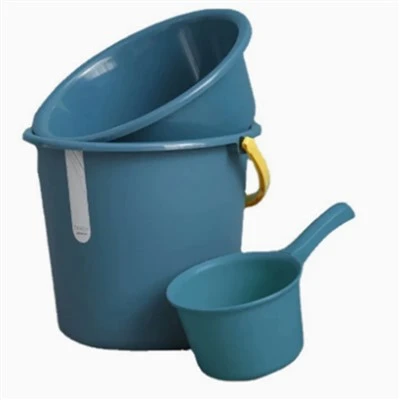
Hey there! I’m a supplier of household plastic items, and I’ve been getting a lot of questions lately about whether these plastic things we use every day can be melted down and reused. It’s a super interesting topic, especially with all the talk about being more eco – friendly these days. So, let’s dig into it! Household Plastic Items
The Basics of Plastic Recycling
First off, we gotta understand a bit about plastic. There are different types of plastics out there, and not all of them are created equal when it comes to melting and reusing. You’ve probably seen those little numbers inside the recycling symbol on plastic products. These numbers are actually codes for different plastic resins.
For example, PET (Polyethylene Terephthalate), which is marked with the number 1, is one of the most commonly recycled plastics. It’s used in things like water bottles and some food containers. PET can be melted down and turned into all sorts of new stuff, like new bottles, polyester fibers for clothing, or even carpet.
Then there’s HDPE (High – Density Polyethylene), marked with a 2. This is a tough plastic used in milk jugs, detergent bottles, and some plastic bags. HDPE is also pretty easy to recycle. When it’s melted, it can be made into things like plastic lumber, which is used for outdoor furniture and decking.
But not all plastics are as easy to deal with. PVC (Polyvinyl Chloride), marked with a 3, is a bit of a problem child. It contains chlorine, which can release toxic chemicals when it’s melted. Recycling PVC is more complicated and expensive, and there are often concerns about the environmental impact of the recycling process itself.
Melting Household Plastic Items at Home
Now, you might be thinking, "Hey, I could just melt down my old plastic stuff at home and make something new!" Well, hold your horses. Melting plastic at home is not as easy or safe as it sounds.
First of all, most household plastics have additives in them. These additives are used to make the plastic stronger, more flexible, or more resistant to heat. When you melt the plastic, these additives can release harmful fumes. For example, some plastics contain phthalates, which are known to be endocrine disruptors. Inhaling the fumes from melting plastic with these additives can be really bad for your health.
Secondly, you need the right equipment to melt plastic properly. You can’t just throw a plastic bottle in the oven and expect it to turn into something useful. The melting points of different plastics vary widely. For example, PET melts at around 260°C (500°F), while HDPE melts at around 130 – 135°C (266 – 275°F). If you don’t have a precise way to control the temperature, you might end up with a burnt, useless mess.
Industrial Recycling of Household Plastic Items
On the other hand, industrial recycling is a whole different ballgame. Recycling facilities have the equipment and expertise to handle different types of plastics safely. They can separate plastics by type, clean them, and melt them down under controlled conditions.
When household plastic items are collected for recycling, they go through a process called sorting. Workers or machines separate the plastics by their resin type. This is really important because different plastics have different melting points and properties, and if you mix them up, the recycled product won’t be very good.
After sorting, the plastics are washed to remove any dirt, labels, or other contaminants. Then, they’re shredded into small pieces. These small pieces are easier to melt. The shredded plastic is then fed into a melting machine, where it’s heated to the right temperature. The molten plastic can then be shaped into new products, like pellets. These pellets are like the building blocks for making new plastic items.
The Challenges of Recycling Household Plastic Items
Even though industrial recycling is more efficient, there are still some challenges. One big problem is contamination. If non – recyclable items or dirty plastics are mixed in with the recyclables, it can mess up the whole recycling process. For example, if a plastic bottle has a lot of food residue in it, the residue can burn during the melting process and contaminate the recycled plastic.
Another challenge is the economics of recycling. Sometimes, it’s cheaper to make new plastic from raw materials than to recycle old plastic. This is especially true for some types of plastics that are hard to recycle. As a result, a lot of household plastic items still end up in landfills instead of being recycled.
Reusing Household Plastic Items in Other Ways
If melting and recycling isn’t always practical, there are still other ways to reuse household plastic items. You can get creative and turn them into something new without melting them. For example, you can use old plastic bottles to make a bird feeder. Just cut a hole in the side of the bottle, add a perch, and fill it with birdseed.
You can also use plastic containers to organize things around the house. Old yogurt containers can be great for storing small items like buttons, beads, or screws. And plastic bags can be reused for packing lunches or storing small items.
As a Supplier, What Can I Do?
As a supplier of household plastic items, I feel a responsibility to promote more sustainable practices. I’m working with my manufacturers to use more recycled plastics in our products. This not only helps reduce the amount of plastic waste but also shows our customers that we care about the environment.
I’m also educating my customers about recycling. I include information on our product packaging about how to recycle the items properly. And I’m always looking for ways to make our products more recyclable. For example, I’m trying to use less of those hard – to – recycle plastics and more of the easily recyclable ones like PET and HDPE.
Conclusion
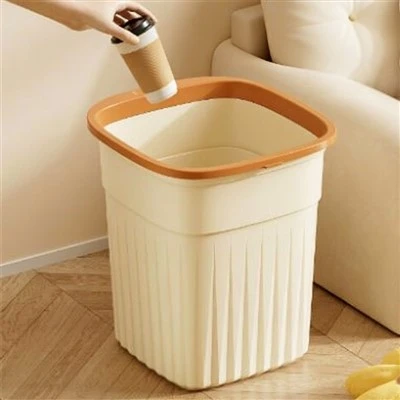
So, can household plastic items be melted and reused? The answer is yes, but it’s not always that simple. While some plastics can be easily melted and recycled at an industrial level, it’s not safe or practical to do it at home. There are also challenges in the recycling process, like contamination and economics. But there are other ways to reuse plastic items, and as a supplier, I’m doing my part to make the industry more sustainable.
Plastic Household Items If you’re interested in our household plastic items and want to learn more about our sustainable practices, or if you’re thinking about placing an order, I’d love to have a chat with you. Let’s work together to make a more eco – friendly world while still enjoying the convenience of plastic products!
References
- "Plastic Recycling: A Guide to the Process and Types of Plastics." Environmental Protection Agency.
- "The Chemistry of Plastics and Their Recycling." Journal of Polymer Science.
- "Challenges in Plastic Recycling and Solutions for a Circular Economy." International Journal of Environmental Science and Technology.
Yongkang Shunjiang Plastic Products Co., Ltd.
As one of the most professional household plastic items manufacturers and suppliers in China, we offer a wide range of products with superior quality. Please feel free to wholesale bulk customized household plastic items from our factory. Also, pricelist is available.
Address: Kangzhuang Road, Xicheng Subdistrict, Yongkang City, Zhejiang Province, China
E-mail: 15158911623@163.com
WebSite: https://www.shunjiangplas.com/
