As a supplier of Ground Lead Resistance Testers, I’ve witnessed firsthand the critical role these devices play in ensuring the safety and efficiency of electrical systems. Today, I’d like to share a detailed guide on how to use a Ground Lead Resistance Tester to test the grounding of a shopping mall’s electrical system. Ground Lead Resistance Tester
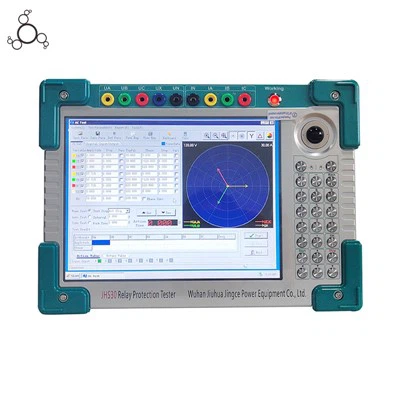
Understanding the Importance of Grounding in a Shopping Mall
A shopping mall is a complex environment filled with a vast array of electrical equipment, from lighting systems and escalators to security cameras and air – conditioning units. Proper grounding is essential for several reasons. Firstly, it protects people from electrical shocks. In the event of a fault in the electrical system, a well – grounded system can safely direct the excess electrical current into the ground, reducing the risk of injury to shoppers, employees, and maintenance staff. Secondly, it helps prevent electrical fires. By providing a low – resistance path for fault currents, grounding minimizes the chances of overheating and arcing that could lead to a fire. Finally, it ensures the proper functioning of electrical equipment. Many modern electronic devices are sensitive to electrical interference, and a good grounding system can reduce such interference, improving the reliability and performance of the equipment.
Pre – test Preparations
Before starting the grounding test of a shopping mall’s electrical system, thorough preparations are necessary.
- Inspect the Tester: Check the Ground Lead Resistance Tester to ensure it is in good working condition. Examine the cables for any signs of damage, such as cuts or fraying, and make sure the test leads are securely attached. Also, verify that the batteries are fully charged or that the power supply is stable if it is a mains – powered tester.
- Gather Necessary Information: Obtain the electrical system layout of the shopping mall. This will help you identify the locations of the main grounding points, distribution panels, and electrical equipment. You should also be aware of any previous grounding test results and maintenance records.
- Safety Precautions: Wear appropriate personal protective equipment (PPE), such as insulated gloves and safety glasses. Ensure that the electrical system is de – energized in the areas where you will be conducting the tests to avoid the risk of electrical shock. If it is not possible to de – energize the system completely, follow all safety procedures for working on live electrical equipment.
Conducting the Grounding Test
The process of testing the grounding of a shopping mall’s electrical system using a Ground Lead Resistance Tester typically involves the following steps:
- Select the Test Method: There are several test methods available, including the two – point method, three – point method, and four – point method. The choice of method depends on the specific requirements of the test and the characteristics of the grounding system. For a shopping mall, the three – point method is often preferred as it provides a more accurate measurement of the grounding resistance.
- Locate the Grounding Electrodes: Identify the main grounding electrodes of the shopping mall’s electrical system. These are usually located in the basement or near the electrical substation. They can be in the form of ground rods, grounding plates, or a combination of both.
- Connect the Test Leads: For the three – point method, connect one test lead to the grounding electrode being tested. Connect the second test lead to a current – injecting electrode, which should be placed at a sufficient distance (usually at least 20 meters) from the grounding electrode. The third test lead is connected to a potential – measuring electrode, which is placed between the grounding electrode and the current – injecting electrode, at a distance of approximately 62% of the distance between the grounding electrode and the current – injecting electrode.
- Perform the Test: Turn on the Ground Lead Resistance Tester and follow the manufacturer’s instructions to start the test. The tester will inject a small current into the grounding system through the current – injecting electrode and measure the voltage drop between the grounding electrode and the potential – measuring electrode. Based on Ohm’s law (R = V/I), the tester will calculate and display the grounding resistance value.
- Take Multiple Readings: To ensure the accuracy of the test results, take multiple readings at different locations around the grounding electrode and average them. This helps to account for any variations in the soil resistivity and the performance of the grounding system.
- Test Different Grounding Points: In addition to testing the main grounding electrodes, also test the grounding connections of individual electrical equipment, such as distribution panels, transformers, and generators. This helps to identify any local grounding problems that could affect the safety and performance of the equipment.
Interpreting the Test Results
Once the testing is completed, it is important to interpret the results correctly.
- Compare with Standards: The acceptable grounding resistance value for a shopping mall’s electrical system typically ranges from 1 to 5 ohms, depending on the specific requirements of the electrical equipment and the local electrical codes. Compare the measured grounding resistance values with the relevant standards. If the measured value is higher than the acceptable limit, it indicates a potential problem with the grounding system.
- Analyze the Causes: If the grounding resistance is too high, there could be several causes. It could be due to poor soil conditions, such as high soil resistivity or dry soil. Corrosion of the grounding electrodes or loose connections can also lead to an increase in the grounding resistance. In some cases, improper installation of the grounding system may be the root cause.
- Recommendations and Remedies: Based on the analysis of the test results, make appropriate recommendations for improving the grounding system. This may include adding additional grounding electrodes, treating the soil to reduce its resistivity, or tightening the loose connections. Regular maintenance of the grounding system, such as inspecting for corrosion and cleaning the electrodes, is also essential to ensure its long – term performance.
Post – test Follow – up
After the grounding test is completed, it is important to follow up on the results.
- Reporting: Prepare a detailed test report that includes the test results, the locations of the tests, and any recommendations for improvement. Share the report with the shopping mall management and the electrical maintenance team.
- Implementation of Recommendations: Work with the shopping mall management and the electrical maintenance team to implement the recommended improvements to the grounding system. Provide technical support as needed to ensure that the improvements are carried out correctly.
- Regular Monitoring: Establish a regular monitoring schedule for the grounding system. Periodic testing using the Ground Lead Resistance Tester can help detect any changes in the grounding resistance over time and allow for timely maintenance and repairs.
Why Choose Our Ground Lead Resistance Testers
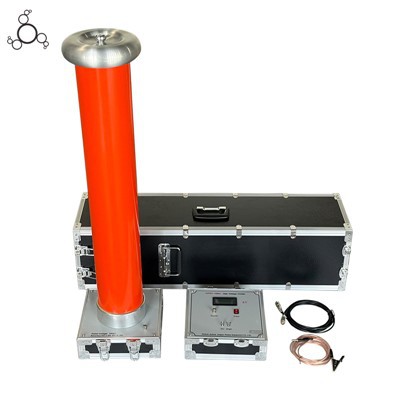
Our Ground Lead Resistance Testers offer several advantages for testing the grounding of a shopping mall’s electrical system.
- Accuracy: Our testers are designed to provide highly accurate measurements of the grounding resistance. They use advanced measurement techniques and high – quality components to ensure reliable results.
- Ease of Use: The user – friendly interface of our testers makes them easy to operate, even for non – technical personnel. The clear instructions and intuitive controls allow for quick and efficient testing.
- Durability: Built to withstand the harsh conditions of industrial and commercial environments, our testers are rugged and reliable. They are resistant to shock, vibration, and moisture, ensuring long – term performance.
- Comprehensive Features: Our testers come with a range of features, such as data logging, which allows you to record and analyze the test results over time. Some models also offer wireless connectivity, enabling you to transfer the data to a computer or a mobile device for further processing.
HV Switch Tester If you are responsible for the electrical safety of a shopping mall or any other commercial facility, and you are looking for a reliable Ground Lead Resistance Tester, we would be happy to discuss your requirements. Our team of experts can provide you with detailed information about our products, offer technical support, and help you choose the right tester for your needs. Contact us to start a procurement discussion and take a step towards ensuring the safety and efficiency of your electrical system.
References
- "Electrical Safety in Commercial Buildings", National Fire Protection Association
- "Grounding and Bonding Handbook", IEEE Press
- "Handbook of Electrical Engineering", McGraw – Hill Education
Wuhan Jiuhua Jingce Power Equipment Co., Ltd.
As one of the most experienced ground lead resistance tester manufacturers in China, we offer a wide range of products with superior quality. Please feel free to wholesale bulk durable ground lead resistance tester from our factory. For price consultation, contact us.
Address: 601,Unit 1,Building D4-02,Optics Valley Center,303 OpticsValley Avenue,Wuhan
E-mail: market@wuhanjhjc.com
WebSite: https://www.powertransformertester.com/
