Cored wire is a crucial material widely used in the metallurgical industry, playing a significant role in adjusting the chemical composition of molten steel, improving the quality of steel products, and enhancing production efficiency. As a cored wire supplier, I have in – depth knowledge of this product, including its advantages as well as its common defects. In this blog, I will share some of the common defects of cored wire based on my experience in the industry. Cored Wire
1. Inconsistent Core Material Distribution
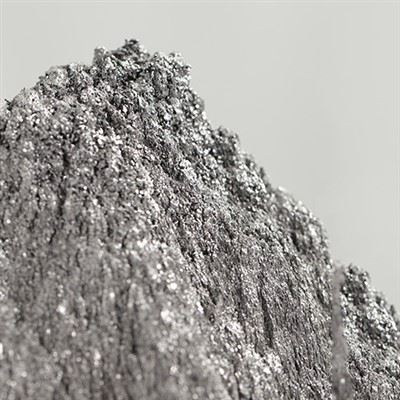
One of the most common defects of cored wire is the inconsistent distribution of core materials. The core material in the cored wire is expected to be evenly distributed along the length of the wire to ensure uniform performance during the metallurgical process. However, due to various reasons, this even distribution may not be achieved.
During the manufacturing process, if the feeding system of the core material is unstable, it can lead to uneven amounts of core material being filled into different sections of the wire. For example, the rotation speed of the auger used to feed the powder core material may fluctuate, causing more material to be filled in some parts and less in others.
Inconsistent core material distribution can have a negative impact on the final product. In the steel – making process, if the core material is not evenly distributed, it may result in uneven alloying elements in the molten steel. This can lead to variations in the mechanical properties of the steel, such as differences in hardness, strength, and ductility in different parts of the steel product. Consequently, the quality of the steel may not meet the required standards, wasting resources and increasing production costs.
2. Poor Sealing of the Outer Sheath
The outer sheath of the cored wire serves to protect the core material from moisture, oxidation, and other environmental factors. If the sealing of the outer sheath is poor, it can cause several problems.
During storage and transportation, if the outer sheath is not well – sealed, moisture can penetrate into the core material. For example, in a high – humidity environment, water vapor can enter the wire and react with the core powder. This reaction can not only change the chemical composition of the core material but also cause the powder to agglomerate, making it difficult to disperse evenly in the molten steel.
Moreover, oxygen in the air can also oxidize the core material through the poorly sealed sheath. Oxidation of the core material can reduce its effectiveness in the metallurgical process. For instance, if the core material is an alloying element such as aluminum, oxidation can turn it into aluminum oxide, which has a different chemical behavior and cannot function as expected in adjusting the steel’s properties.
3. Uneven Diameter of the Cored Wire
The diameter of the cored wire is an important parameter. In the production process, it is possible to encounter the problem of uneven diameter. This may be due to irregularities in the forming and rolling processes.
If the rollers used in the manufacturing equipment are worn out or not properly adjusted, they may cause variations in the diameter of the cored wire. An uneven diameter can lead to issues during the feeding process of the wire into the ladle or other metallurgical equipment.
When the cored wire is fed into the molten steel, a uniform diameter is required to ensure a stable feeding speed and a consistent amount of core material being added per unit length. An uneven – diameter wire may cause intermittent feeding or inconsistent addition of the core material, which will eventually affect the quality and stability of the steel – making process and the properties of the final steel product.
4. Low Compression Strength of the Core Material
The core material in the cored wire needs to have a certain degree of compression strength. If the compression strength is low, it can lead to problems during handling and use.
During transportation and storage, the cored wires are often stacked and subjected to pressure. If the core material has low compression strength, it may break or crumble under the pressure. This results in the loss of core material and a change in the core – to – sheath ratio, which can affect the performance of the cored wire in the metallurgical process.
In addition, when the cored wire is fed into the molten steel, it also needs to withstand the impact and frictional forces. A core material with low compression strength may break into smaller pieces prematurely before reaching the desired position in the molten steel, disrupting the normal alloying or purification process.
5. Impurities in the Core Material
The presence of impurities in the core material is another common defect. In the raw material procurement and production process, it is difficult to completely avoid the introduction of impurities.
These impurities can come from the raw materials themselves or from the production environment. For example, if the raw powder for the core material is mined from an ore with a high impurity content, the final core material may also contain these impurities. In the production workshop, dust and other foreign particles in the air may also mix with the core material during the manufacturing process.
Impurities in the core material can have a negative impact on the quality of the steel. Some impurities may react with the molten steel or the alloying elements in an unexpected way, leading to the formation of inclusions or other defects in the steel. These defects can reduce the mechanical properties, corrosion resistance, and other performance indicators of the steel product.
6. Inadequate Bonding between the Core and the Sheath
The core and the sheath of the cored wire need to be well – bonded to ensure the integrity and performance of the wire. Inadequate bonding can occur due to problems in the manufacturing process, such as improper temperature control or insufficient pressure during the bonding step.
If the bonding between the core and the sheath is weak, the core material may separate from the sheath during handling, transportation, or feeding into the molten steel. This separation can lead to uneven addition of the core material and affect the alloying or purification effect in the steel – making process.
Solutions and Our Commitment
As a cored wire supplier, we are well – aware of these common defects and have taken a series of measures to address them. We have strict quality control systems in place at every stage of the production process, from raw material procurement to the final product inspection.
We use advanced manufacturing equipment and technologies to ensure the consistent distribution of core materials, proper sealing of the outer sheath, and uniform diameter of the cored wire. Our quality control team conducts regular inspections of the core materials to detect and remove impurities, and we continuously optimize the bonding process between the core and the sheath to improve the overall quality of our products.
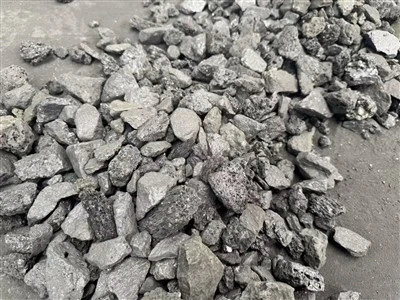
If you are in the metallurgical industry and are looking for high – quality cored wire, we are here to provide you with the best solutions. Our cored wires are designed to meet the strictest quality standards and are suitable for a variety of steel – making processes. Whether you need to adjust the chemical composition of molten steel, improve the purity of the steel, or enhance the performance of the final steel product, our cored wires can help you achieve your goals.
SiC We are committed to providing our customers with not only high – quality products but also excellent after – sales service. We understand that the quality of your steel products is crucial to your business, and we are willing to work closely with you to ensure the success of your production. If you have any questions or are interested in our cored wire products, please feel free to contact us for a detailed discussion and procurement negotiation. We look forward to establishing a long – term and mutually beneficial partnership with you.
References
- Lux, B., & Lux, F. (2008). Metallurgical applications of cored wires. John Wiley & Sons.
- Yurchenko, V. V., & Kuznetsov, A. V. (2015). Cored wire technology in steelmaking. Metalurgija.
- Smith, J. D. (2012). Quality control in cored wire production. Journal of Metallurgical Engineering, 15(2), 34 – 42.
Anyang Baitengxin Metal Co., Ltd.
As one of the most professional cored wire manufacturers in China, we have world-leading production equipment and strong manufacturing capabilities. Please feel free to buy high quality cored wire for sale here from our factory. Good service and reasonable price are available.
Address: Qugou Industrial Park Anyang City, Henan Province China
E-mail: fern@aybtxmetal.com
WebSite: https://www.aybtx-metal.com/
