When it comes to the world of materials and their applications, the question often arises: Can metalized thermal laminating film be used on fiberglass? As a supplier of metalized thermal laminating film, I’ve encountered this query numerous times. In this blog post, I’ll delve into the technical aspects, potential benefits, and challenges associated with using metalized thermal laminating film on fiberglass. Metalized Thermal Laminating Film
Understanding Metalized Thermal Laminating Film
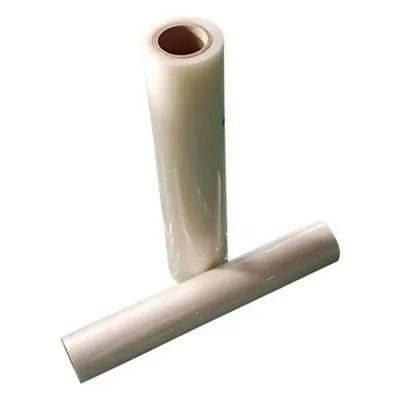
Metalized thermal laminating film is a specialized material that combines a thin layer of metal, usually aluminum, with a polymer film. The metal layer provides several key properties, such as high reflectivity, excellent heat insulation, and enhanced barrier protection against moisture, oxygen, and UV light. The thermal lamination process involves applying heat and pressure to bond the film to a substrate. This process ensures a strong and durable bond, creating a smooth and professional finish.
Fiberglass: A Versatile Material
Fiberglass is a widely used composite material made from fine fibers of glass. It offers excellent strength-to-weight ratio, high corrosion resistance, and good electrical insulation properties. Fiberglass is commonly used in a variety of industries, including aerospace, automotive, construction, and marine. Due to its versatility and relatively low cost, fiberglass is a popular choice for many applications.
Compatibility Considerations
Before using metalized thermal laminating film on fiberglass, it’s crucial to consider the compatibility of the two materials. The success of the lamination process depends on several factors, including the surface properties of the fiberglass, the type of lamination adhesive used, and the processing conditions.
-
Surface Preparation: The surface of the fiberglass must be clean, dry, and free of contaminants such as dust, oil, and grease. Any impurities on the surface can prevent the film from adhering properly, leading to delamination or poor bonding. Surface preparation techniques may include sanding, cleaning with solvents, or using primers to enhance adhesion.
-
Adhesive Selection: The choice of adhesive is critical for ensuring a strong and durable bond between the metalized thermal laminating film and the fiberglass. The adhesive should be compatible with both materials and have good heat resistance and chemical resistance. Some common types of adhesives used for thermal lamination include acrylic, polyurethane, and epoxy adhesives.
-
Processing Conditions: The thermal lamination process requires precise control of temperature, pressure, and dwell time. The temperature should be high enough to activate the adhesive and ensure proper bonding, but not so high that it damages the fiberglass or the metalized film. The pressure should be evenly distributed across the surface to ensure a uniform bond. The dwell time, or the time the film and substrate are in contact under heat and pressure, also affects the quality of the bond.
Potential Benefits
Using metalized thermal laminating film on fiberglass can offer several benefits, depending on the specific application.
-
Enhanced Aesthetics: The metalized layer provides a shiny and reflective surface, adding a decorative element to the fiberglass. This can be particularly useful in applications where appearance is important, such as in architectural or automotive components.
-
Improved Insulation: The metal layer in the film acts as a heat reflector, reducing heat transfer through the fiberglass. This can help improve the energy efficiency of the structure or component, especially in applications where thermal insulation is required.
-
Barrier Protection: The metalized film provides a barrier against moisture, oxygen, and UV light, protecting the fiberglass from environmental damage. This can extend the lifespan of the fiberglass and reduce the need for maintenance.
Challenges and Limitations
While there are potential benefits to using metalized thermal laminating film on fiberglass, there are also some challenges and limitations to consider.
-
Bonding Strength: Achieving a strong and durable bond between the film and the fiberglass can be challenging, especially if the surface preparation or adhesive selection is not optimal. Delamination or poor bonding can occur over time, especially under harsh environmental conditions.
-
Thermal Expansion: Fiberglass and the metalized film have different coefficients of thermal expansion. This means that they expand and contract at different rates when exposed to temperature changes. Over time, this can cause stress at the bond interface, leading to delamination or cracking.
-
Cost: Metalized thermal laminating film can be more expensive than other types of laminating films. The additional cost may not be justified for some applications, especially if the benefits are not significant.
Case Studies
To illustrate the practical applications of using metalized thermal laminating film on fiberglass, let’s look at a few case studies.
-
Automotive Industry: In the automotive industry, metalized thermal laminating film can be used to enhance the appearance of fiberglass body panels. The reflective surface of the film gives the vehicle a sleek and modern look. Additionally, the film can provide some thermal insulation, reducing the heat transfer into the vehicle cabin.
-
Marine Industry: In the marine industry, fiberglass is commonly used to construct boat hulls and other components. Metalized thermal laminating film can be applied to the fiberglass surface to provide a barrier against moisture and UV light, protecting the fiberglass from degradation. The film can also help improve the energy efficiency of the boat by reducing heat transfer.
-
Construction Industry: In the construction industry, fiberglass is used in a variety of applications, such as insulation panels and decorative elements. Metalized thermal laminating film can be used to enhance the aesthetic appeal of these products and provide additional insulation and protection.
Conclusion
In conclusion, metalized thermal laminating film can be used on fiberglass, but it requires careful consideration of the compatibility of the two materials, proper surface preparation, and the right choice of adhesive and processing conditions. While there are potential benefits, such as enhanced aesthetics, improved insulation, and barrier protection, there are also challenges and limitations, such as bonding strength, thermal expansion, and cost.
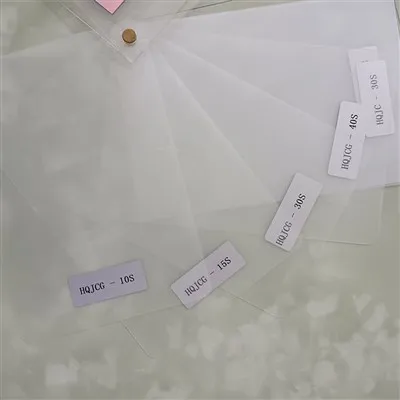
If you’re considering using metalized thermal laminating film on fiberglass for your project, I’d be happy to discuss your specific requirements and help you find the best solution. Our company offers a wide range of metalized thermal laminating films with different properties and specifications to meet your needs. Whether you’re in the automotive, marine, construction, or any other industry, we can provide you with high-quality products and professional technical support.
Thermal Laminating Film Contact us today to start discussing your project and explore the possibilities of using metalized thermal laminating film on fiberglass. We look forward to working with you to achieve your goals.
References
- "Handbook of Composite Materials" by John Summerscales
- "Fiberglass Reinforced Plastics: Materials, Manufacturing, and Design" by Samuel J. Rohde
- "Thermal Lamination Technology" by various industry experts
Yantai Hongqing Packing Material Co., Ltd.
Yantai Hongqing Packing Material Co., Ltd. is one of the most professional metalized thermal laminating film manufacturers and suppliers in China, also supports customized service. Welcome to wholesale advanced metalized thermal laminating film made in China here and get quotation from our factory. Quality products and reasonable price are available.
Address: Eastern Industrial Park, Taocun, Yantai, Shandong Province, China
E-mail: cindy@ythongguang.cn
WebSite: https://www.hqingnewmat.com/
