Hey there, folks! I’m a supplier of thermal analysis instruments, and I’ve been in this industry for quite a while. Over the years, I’ve seen firsthand how important it is to follow safety precautions when using these nifty gadgets. So, today, I wanna share some key safety tips with you all. Thermal Analysis Instruments
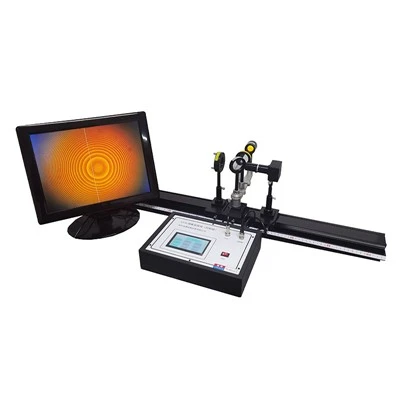
Understanding Thermal Analysis Instruments
First things first, let’s quickly go over what thermal analysis instruments are. These are tools that measure how materials change as they’re heated or cooled. They’re super useful in various fields, like materials science, pharmaceuticals, and food science. You can figure out things like melting points, glass transition temperatures, and how stable a material is under different conditions.
But here’s the deal: these instruments can get pretty hot, and sometimes they deal with chemicals that can be dangerous. That’s why safety is a big deal.
Pre – Use Safety Checks
Before you even turn on your thermal analysis instrument, there are a few things you need to do.
Inspect the Instrument
Take a good look at the instrument. Check for any visible damage, like cracks in the heating chamber or frayed wires. If you see anything wrong, don’t use it. Call a professional to fix it. It might seem like a hassle, but it’s way better than having an accident.
Check the Power Source
Make sure the power source is stable and that the instrument is properly grounded. Using an ungrounded instrument can lead to electrical shocks, and nobody wants that. Also, check the power cord for any signs of wear or tear. If it looks dodgy, replace it.
Review the Manual
I know, reading the manual isn’t the most exciting thing, but it’s crucial. The manual will tell you things like the maximum temperature the instrument can handle, the right way to load samples, and any specific safety instructions for your model. So, take the time to read it through.
Personal Protective Equipment (PPE)
Wearing the right PPE is a must when using thermal analysis instruments.
Safety Glasses
Your eyes are precious, so protect them. Safety glasses will shield your eyes from any flying debris or splashes that might happen during the analysis. Even if you think it’s unlikely, it’s better to be safe than sorry.
Heat – Resistant Gloves
Since these instruments get hot, you’ll need heat – resistant gloves. These will protect your hands from burns when you’re handling hot samples or parts of the instrument. Make sure the gloves fit well and cover your hands up to the wrist.
Lab Coat
A lab coat will protect your clothes and skin from any spills or splashes of chemicals. It’s also a good idea to wear a lab coat made of a fire – resistant material, just in case of any unexpected fires.
Sample Preparation and Handling
How you prepare and handle your samples is another important safety aspect.
Choose the Right Sample Container
Not all sample containers are created equal. You need to choose a container that can withstand the temperatures and chemicals used in the analysis. For example, if you’re doing a high – temperature analysis, you’ll need a container made of a ceramic or metal that won’t melt or break down.
Don’t Overfill the Container
It might be tempting to put as much sample as possible in the container, but don’t do it. Overfilling can cause the sample to spill out during the analysis, which can be dangerous. Follow the recommended sample size in the manual.
Handle Samples with Care
Some samples can be toxic or reactive. When handling them, use tweezers or other tools instead of your bare hands. And make sure to label your samples clearly so you know what you’re dealing with.
Operating the Instrument
When you’re actually using the instrument, there are several safety precautions to keep in mind.
Set the Temperature Correctly
Don’t just set the temperature randomly. Make sure you know the correct temperature range for your sample. Setting the temperature too high can cause the sample to decompose or even catch fire. And if you set it too low, you won’t get accurate results.
Monitor the Analysis
Don’t just walk away and forget about the instrument once you’ve started the analysis. Keep an eye on it to make sure everything is going smoothly. Look for any signs of overheating, strange noises, or smoke. If you notice anything unusual, stop the analysis immediately.
Use the Ventilation System
Many thermal analysis instruments produce fumes or gases during the analysis. These can be harmful if you breathe them in. That’s why it’s important to use the ventilation system. If your instrument is in a lab, make sure the fume hood is working properly and keep it on during the analysis.
Post – Use Safety
Once the analysis is done, there are still some safety steps to follow.
Let the Instrument Cool Down
Don’t try to clean or move the instrument right away. It’s still hot, and you could burn yourself. Wait for it to cool down completely before you do anything else.
Clean the Instrument
After the instrument has cooled down, clean it properly. Remove any leftover samples or debris. Use the recommended cleaning agents, and follow the cleaning instructions in the manual. This will not only keep the instrument in good working condition but also prevent any cross – contamination for future analyses.
Store the Instrument Properly
When you’re not using the instrument, store it in a dry, cool place. Make sure it’s protected from dust and other contaminants. And if there are any parts that need to be removed or stored separately, do that according to the manual.
Emergency Preparedness
Even if you follow all the safety precautions, accidents can still happen. That’s why it’s important to be prepared for emergencies.
Know the Location of Safety Equipment
In your lab or workspace, make sure you know where the fire extinguisher, first – aid kit, and emergency eyewash station are located. And make sure they’re in good working condition.
Have an Emergency Plan
Your lab should have an emergency plan in place. This plan should include what to do in case of a fire, electrical shock, or chemical spill. Make sure everyone in the lab is familiar with the plan.
Conclusion
Well, that’s a wrap on the safety precautions when using thermal analysis instruments. As a supplier, I want you to get the most out of your instruments while staying safe. These safety measures aren’t just rules; they’re the keys to a successful and hazard – free analysis.
AMO Physics Instruments If you’re in the market for a new thermal analysis instrument or have any questions about safety or our products, feel free to reach out. We’re here to help you make the right choice and ensure you’re using your equipment safely.
References
- ASTM International Standards related to thermal analysis.
- Instrument manufacturer’s user manuals.
Nanjing Longbow Scientific&Educational Instrument Co., Ltd.
As one of the most professional thermal analysis instruments manufacturers and suppliers in China, we’re featured by quality products and good service. Please rest assured to buy customized thermal analysis instruments from our factory. If you have any enquiry about pricelist, please feel free to email us.
Address: Room D, 22th floor, No.305, North Jiangdong Road, Nanjing,Jiangsu Province, China
E-mail: 79425380@qq.com
WebSite: https://www.lb-physics.com/
